
You have an outdated webbrowser. The website might not work correctly.
Buying a Japanese knife isn’t something you do on a whim. It's for those who want nothing but the very best and the very sharpest. A Japanese kitchen knife is often ground thinner and has a smaller sharpening angle, making the knife sharper than many European kitchen knives. Whether you choose a Japanese carving knife, Japanese chef's knife or Japanese knife set: at Knivesandtools you will find the best Japanese knives at a competitive price.
Looking for a Japanese kitchen knife?
Discover the perfect one for your culinary needs!

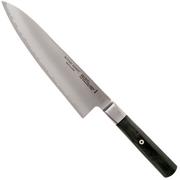

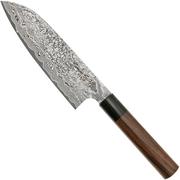

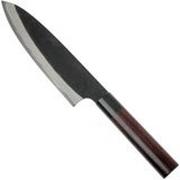

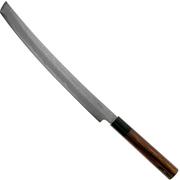

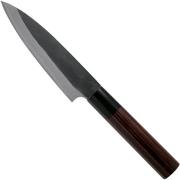

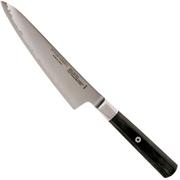


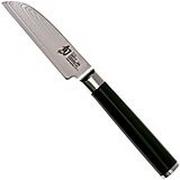

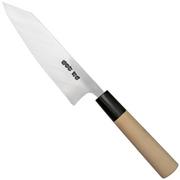

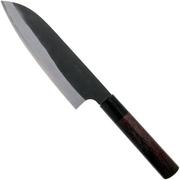

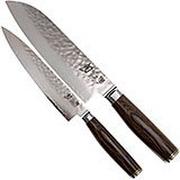

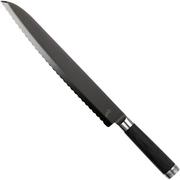

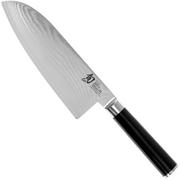


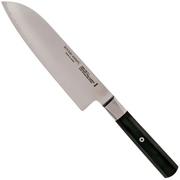

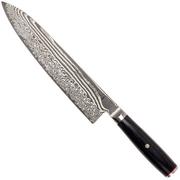

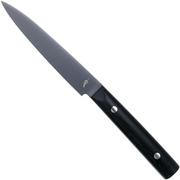


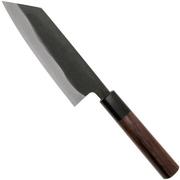


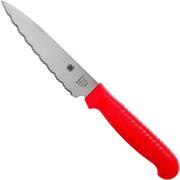


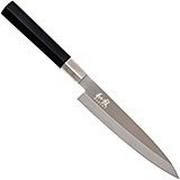

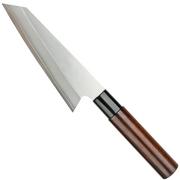


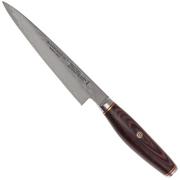

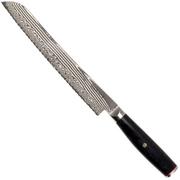

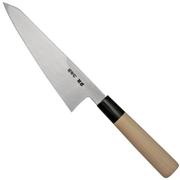

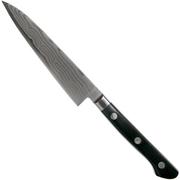

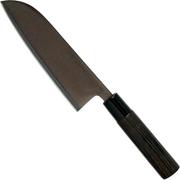

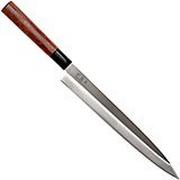

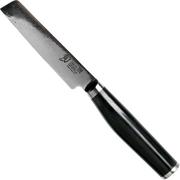

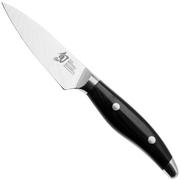

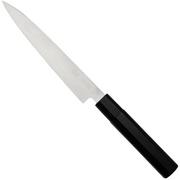

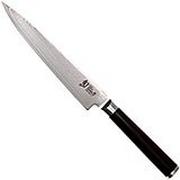

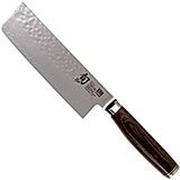

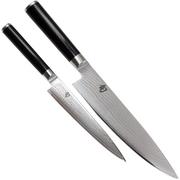

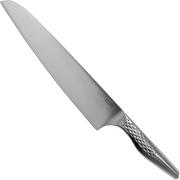

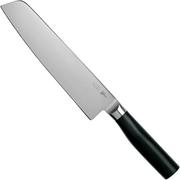

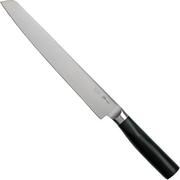

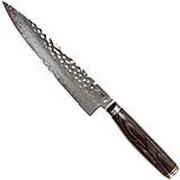


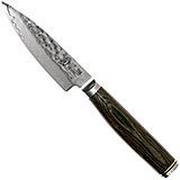

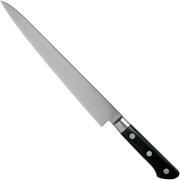

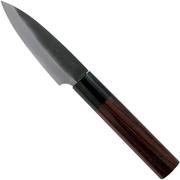


There are many types of Japanese kitchen knives. Often made for a specific cutting task. For everyday cutting tasks, Japanese chef's knives such as gyutos and santokus are excellent all-rounders.
Do you often cut vegetables? Then a nakiri offers a great deal of control and precision. For small cutting tasks, such as peeling fruit or finely chopping herbs, a shotoh or petty knife is ideal.
If you like working with fish or sushi, you will soon end up choosing a Japanese fish knife. Such as a sashimi knife or deba. Do you regularly cut meat, such as roast, ham or roulade? Then a Japanese carving knife such as a sujihiki is an excellent choice. For bread, cake and hard crusts, choose a Japanese bread knife with a serrated blade.
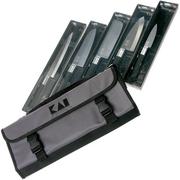
Would you prefer several Japanese kitchen knives in one set? Then choose a Japanese knife set.
There is no such thing as the best Japanese knife: the right choice depends on your needs. Think of carbon steel, stainless steel, damascus steel and the type of handle. Do you want to buy a Japanese knife? First, decide what matters most to you. That way, you will naturally choose the Japanese kitchen knife that suits you.
Which type of steel is right for you: VG10, AUS10 or one of the other stainless Japanese steel types? You can also choose a damascus knife. Damascus steel has a beautiful and unique pattern.
Looking for authentic Japanese craftsmanship? Make sure to check out carbon steel types like Aogami Blue Paper steel or Shirogami White Paper steel. These kinds of steel are not stainless, but they are harder than stainless steel, and you can achieve a higher level of sharpness. Carbon steel takes a little more maintenance than stainless steel. If you leave these knives lying around on a stack of dishes, you are guaranteed to create discolouration, if not corrosion. Patina, however, is normal. Make sure to wash carbon steel knives directly after use to maintain their beauty. When properly taken care of, a carbon steel kitchen knife will give you a lifetime of cooking pleasure. And admit it: patina on a kitchen knife has its charm, right?