
You have an outdated webbrowser. The website might not work correctly.
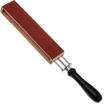
Did you think your knife couldn't get any sharper after using the finest whetstone? Think again. Stropping is the finishing touch for those who really want to go sharp. No more removing metal, but polishing, refining, perfecting. With a leather strop or paddle strop, you give your cut that final touch of finesse and shine. Stropping is old-school cool, but with modern results: a razor-sharp mirror edge. It may feel like an unnecessary step, but trust us: once you do it, you'll never want to be without it again. This is knife maintenance in its purest form.



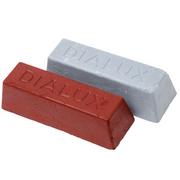

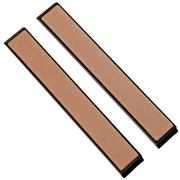


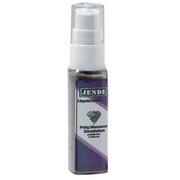

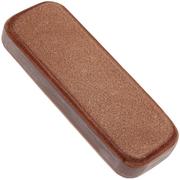

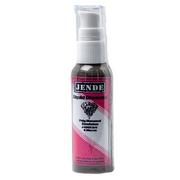

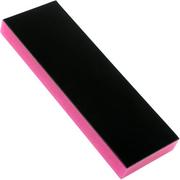

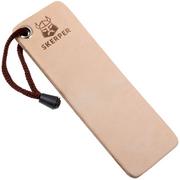

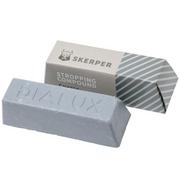

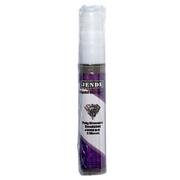

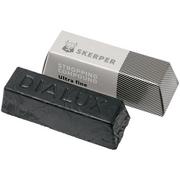

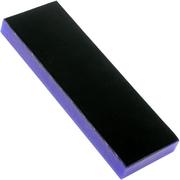

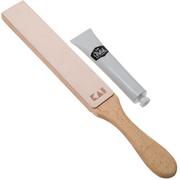

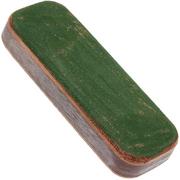

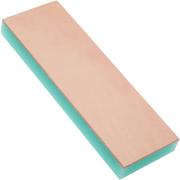

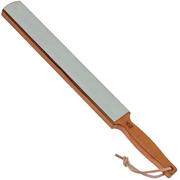

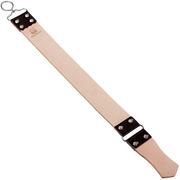




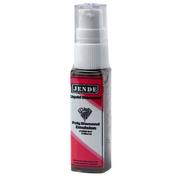



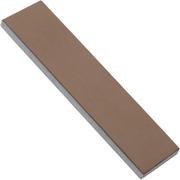

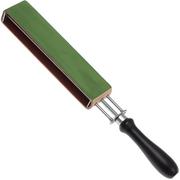

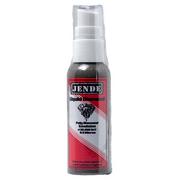









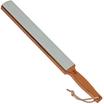
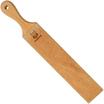
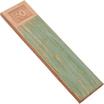
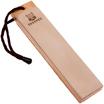
Not every strop is the same. Paddle strops are sturdy and ideal for beginners: stable, easy to use, and ready for action. Leather strops are classics: supple, stylish and effective. Do you prefer to use a stropping belt, such as an old-fashioned shaving belt? Then you're in for an old-school experience with top results. Also pay attention to the finish: a smooth strop is perfect for fine tuning, while a rough side is slightly more aggressive.
By stropping your blade, burrs and other imperfections left behind after sharpening on whetstones are removed. This results in an even sharper blade. The big advantage of stropping is that you no longer remove metal particles but rather polish the metal. This will make your knife razor sharp without losing any material.
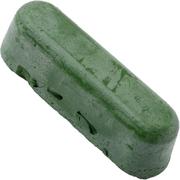
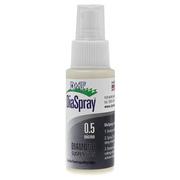
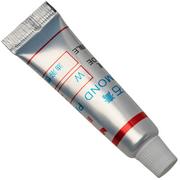
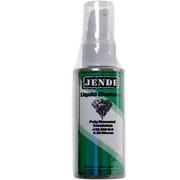
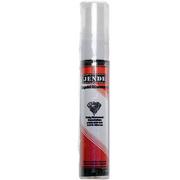
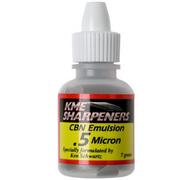
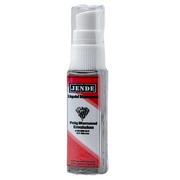
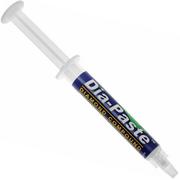
Stropping can be done without anything extra, but with a good polishing paste, it just goes a little faster and better. Consider pastes from Skerper, DMT or Wicked Edge. These contain extremely fine abrasive particles that smooth your knife down to the molecular level. Pay attention to the grain size: the finer it is, the more shine it will give. If you want a mirror finish, go for pastes with a grain size of 1 micron or less. A good strop and the right paste? That's the golden duo for a cut that slices paper without resistance, whether your knife is EDC or chef-worthy.