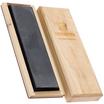
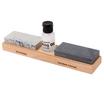
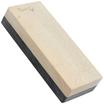
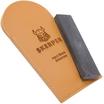
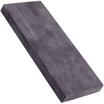
Gränsfors Bruk Natural Whetstone 4035, natural sharpening stoneIn stock
512,99 kr.
You have an outdated webbrowser. The website might not work correctly.
Natural sharpening stones are unique sharpening products for the true sharpening specialist. They are unpredictable and therefore challenging. The great thing is that you control the process yourself: the longer you continue grinding on the same slurry, the finer the stone ultimately becomes. This means you can achieve impressive, sharp results with just one natural stone. Moreover, they are known for their long life span. Hard natural stones will easily last for years. Often as long as ten years, even with regular use.



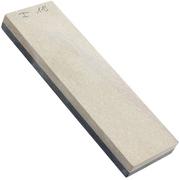

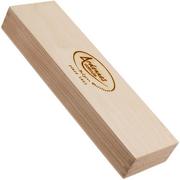

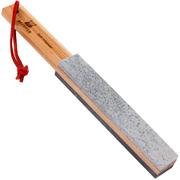

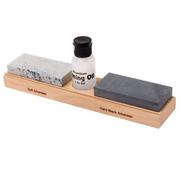

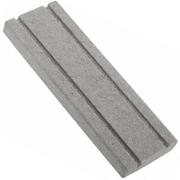

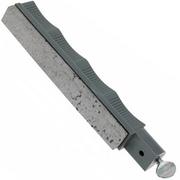


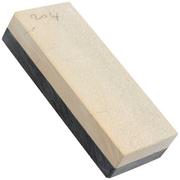

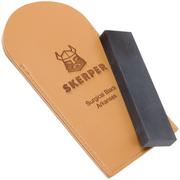

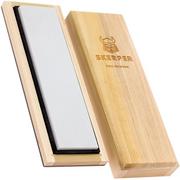

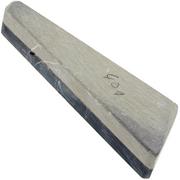


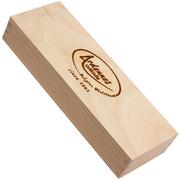

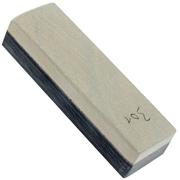

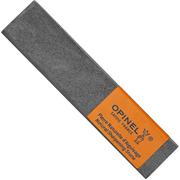

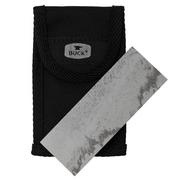

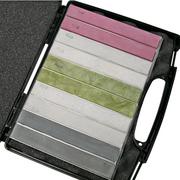

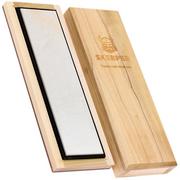

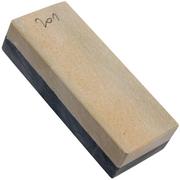

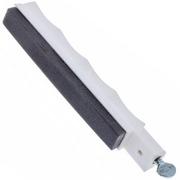

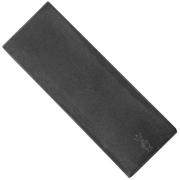

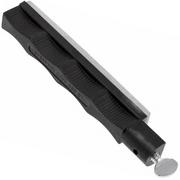

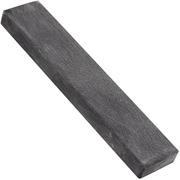

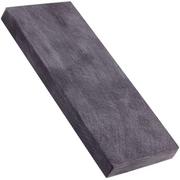

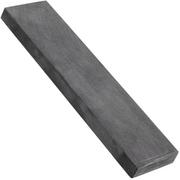

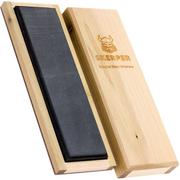





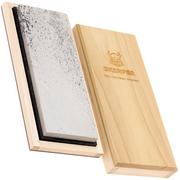

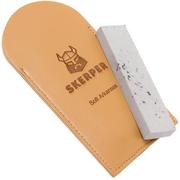


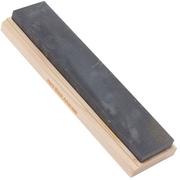

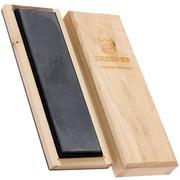

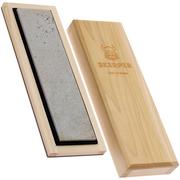

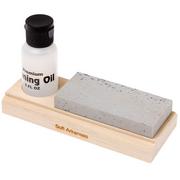

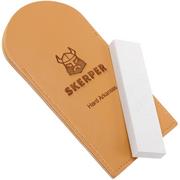

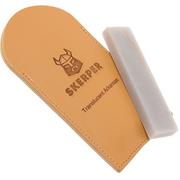

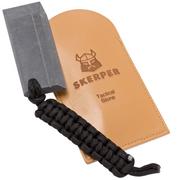

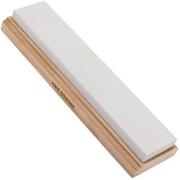


Although sharpening stones are mined worldwide, they vary greatly in their effectiveness. Grain size, grain shape and the way in which grains are bound together determine how well a natural sharpening stone functions, even within the same mountain range.
The tricky thing is that this feeling is difficult to explain. You only really experience a natural sharpening stone when you work with it: how it feels, how much control you have and how the cut develops. Reviews and experiences from other users are also helpful, of course. This will give you a much better idea of which stone best suits your sharpening style.
Some well-known sources of natural sharpening stones are the Belgian Ardennes and the Ouachita Mountains in Arkansas, USA. In addition, in the French-Spanish Pyrenees and the Italian Dolomites you can find usable natural stones. Arkansas stones are made of novaculite, a unique material with high grain density, which makes for a hard, waterproof stone. Depending on the mine location, grain sizes vary from coarse (approximately 400-600) to very fine and polishing (up to approximately 10,000).
Sharpening stones from the Ouachita Mountains and Ozarks work best with a sharpening oil due to their high grain density. The oil removes the sharpening residue most effectively and leaves you with less resistance while sharpening. These harder stones wear slowly and last for years, but the sharpening process takes longer as a result.
Coticule sharpening stones from the Ardennes, formerly known as Belgian chunks, have a variable grain size ranging from approximately 1,000 to 16,000. You can determine the grain size yourself with the slurry: thicker for coarser, thinner for polishing. If you use talcum powder instead of water, you will achieve an extra fine sharpening result. Less pressure during sharpening results in a sharper cutting edge.